AI is transforming business operations, from customer...


Imagen


By Maxwell Sparks
Energy bills are one of those unavoidable costs that quietly eat into a business’s bottom line. But what if there was a way to significantly cut your energy costs—and finance the upgrades in a way that keeps your cash flow strong? Across Maryland, businesses are discovering that energy efficiency isn’t just good for the environment, it’s a smart financial move. And thanks to a powerful mix of rebates, low-interest loans and incentives from utilities through the EmPOWER Maryland program, it’s more affordable than ever.

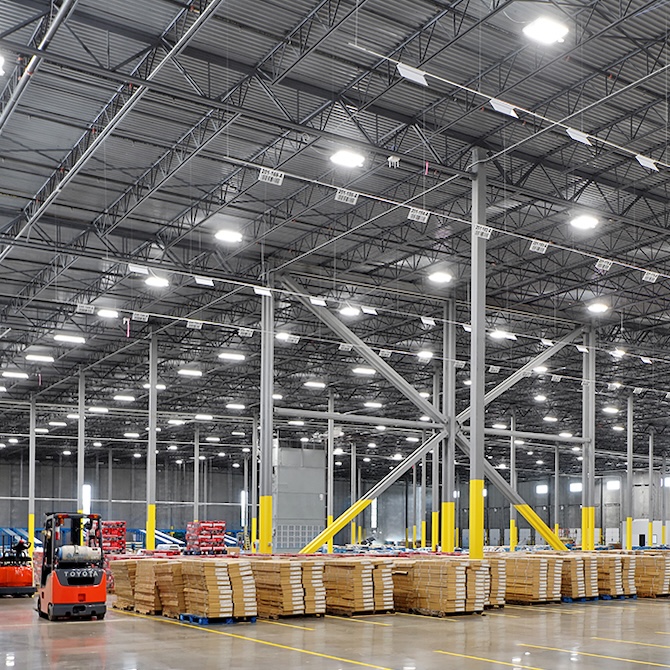
Maryland utilities are offering generous incentives through the EmPOWER Maryland program that can cover up to 85% of the cost for lighting upgrades, HVAC improvements, energy-efficient refrigeration and more. These programs are designed to make the math work in your favor.
For small businesses, some programs even offer direct-install services—where a contractor handles the work, and you pay only a fraction of the cost. There’s no repayment required for the incentive portion—businesses are only responsible for their share of the project cost. It’s a great way to modernize your building and reduce your monthly expenses.
Of course, even with generous rebates, there’s often a balance left to cover. That’s where Maryland’s financing options come in—and they’re built with your business needs in mind.
Some utilities offer zero-interest repayment plans through the EmPOWER Maryland program that let you finance the remaining cost directly on your electric bill. No separate loan. No interest. It’s a seamless way to spread out the cost while your energy savings help cover the payments.
For larger or more in-depth projects, the Maryland Energy Administration (MEA) offers low-interest loans through programs like the Lawton Loan—with rates as low as 2% and terms up to 12 years—and various MEA grants and incentives. These programs offer valuable opportunities for businesses ready to take a small step toward big savings. With just a bit of planning and paperwork, you could unlock generous incentives that make energy upgrades more affordable than you might expect. While larger businesses may have teams to guide the process, any business—with the right support—can tap into these benefits and start achieving real results.
Another option is Commercial Property Assessed Clean Energy (C-PACE) financing, which can cover 100% of the cost for major upgrades like solar, HVAC or weatherproofing. Repayment is made through your property tax bill over 10 to 20 years, and the financing stays with the building if you sell.

What makes Maryland’s approach especially powerful is how these programs can be layered. You may be able to combine utility rebates through EmPOWER Maryland with state loans or on-bill financing, and then add in potential federal tax deductions like the 179D incentive, which remains available until June 30, 2026. This deduction can be worth up to $5.81 per square foot for buildings that meet energy savings and labor standards. However, due to the complexity of eligibility and documentation, businesses should always consult with a tax professional before pursuing this benefit.
As an example of what financing can look like, take a small office that spends $40,000 on lighting upgrades. With an 85% utility rebate, the business owes only $6,000. And that balance can be financed at 0% interest over 2 years—that’s just $250 a month! If the building is over 10,000 square feet, the federal tax deduction could be worth $5,800, nearly wiping out the business’s out-of-pocket cost.

Energy efficiency isn’t just about cutting costs—it’s about freeing up resources to grow your business. Lower energy costs mean more room in your budget for hiring, marketing or scaling up. And thanks to Maryland’s flexible financing tools, you can start saving without pulling focus from your core operations.
If you’re considering an upgrade, the key is matching your building, utility territory and project scope to the right mix of incentives and financing.

Los programas de EmPOWER Maryland se financian mediante un cargo en su factura de energía. Los programas de EmPOWER pueden ayudarle a reducir su consumo de energía y le ahorran dinero. Conozca más sobre EmPOWER Maryland.
El cargo de EmPOWER Maryland financia programas que pueden ayudarle a reducir su consumo de energía y emisiones de gases de efecto invernadero, así como también le ayudan a ahorrar dinero. Desde el comienzo del programa EmPOWER Maryland en 2008, los programas han ahorrado $14,500 millones de dólares en medidas instaladas con un costo de $4100 millones de dólares. Además de los costos de los nuevos programas, este cargo incluye el pago de los costos sin cobrar que se fueron acumulando con el tiempo por los programas exigidos por el estatuto EmPOWER y autorizados por la Comisión. De acuerdo con la Ley 864 de la Cámara de Representantes, los importes sin cobrar se pagarán en su totalidad a finales de 2032.