AI is transforming business operations, from customer...


Image

By Wallace Voltsworth
Energy is one of the largest—and most overlooked—operating expenses for businesses everywhere. Whether you're running a manufacturing plant, a retail store or an office building, those kilowatt-hours add up. And with energy costs coming in each month, being inefficient can quietly drain thousands of dollars from your bottom line each year. That’s why there’s no better time than now to take control of your energy use.
Developing a plan to reduce energy consumption isn’t just about going green, it’s about running lean. Smarter energy use means lower bills, greater resilience and a stronger competitive edge. And thanks to Maryland’s utility energy efficiency programs, you don’t have to do it alone—or pay full price. Many upgrades are eligible for incentives that cover up to 75% of project costs.
Thousands of Maryland businesses have already taken steps to reduce their energy usage.
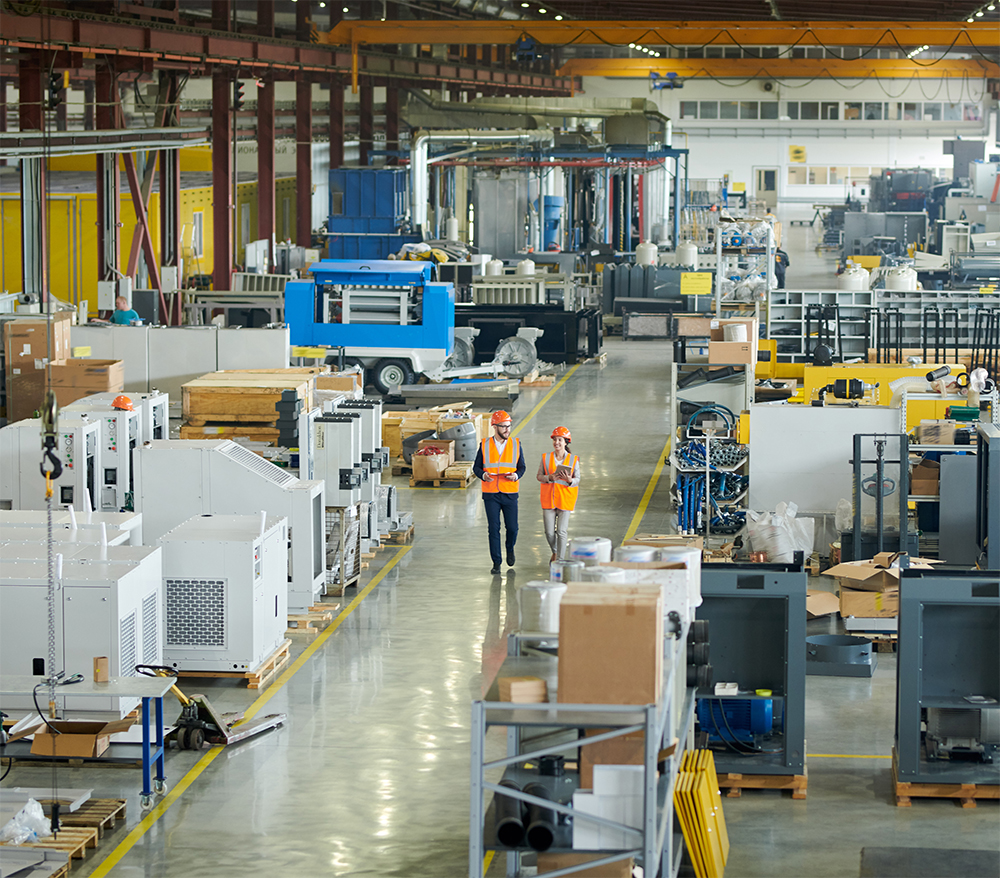
Maintaining a comfortable environment for employees and customers is nonnegotiable—and the good news is, boosting efficiency doesn’t mean giving up comfort. You get less waste, lower costs and no trade-offs on performance. Plus, energy efficiency upgrades—like LED lighting, HVAC improvements and smart building controls—help your business use only the energy it needs, nothing more.
A midsized restaurant in Maryland with multiple refrigeration units, commercial ovens and extended operating hours could easily spend $3,500 a month on energy. A 10% reduction in usage would save $4,200 annually—money that could go toward staffing, menu innovation or facility upgrades to maintain the same level of comfort and service its customers expect.

Reducing energy usage doesn’t have to be complicated. Maryland’s utility programs offer energy assessments, expert guidance and lists of trusted consultants who can provide turnkey installation services. Most upgrades are scheduled to avoid disruption—so you can improve efficiency without slowing down your operations. And better yet—depending on what makes the most sense for your business—incentives can cover up to 75% of project costs.

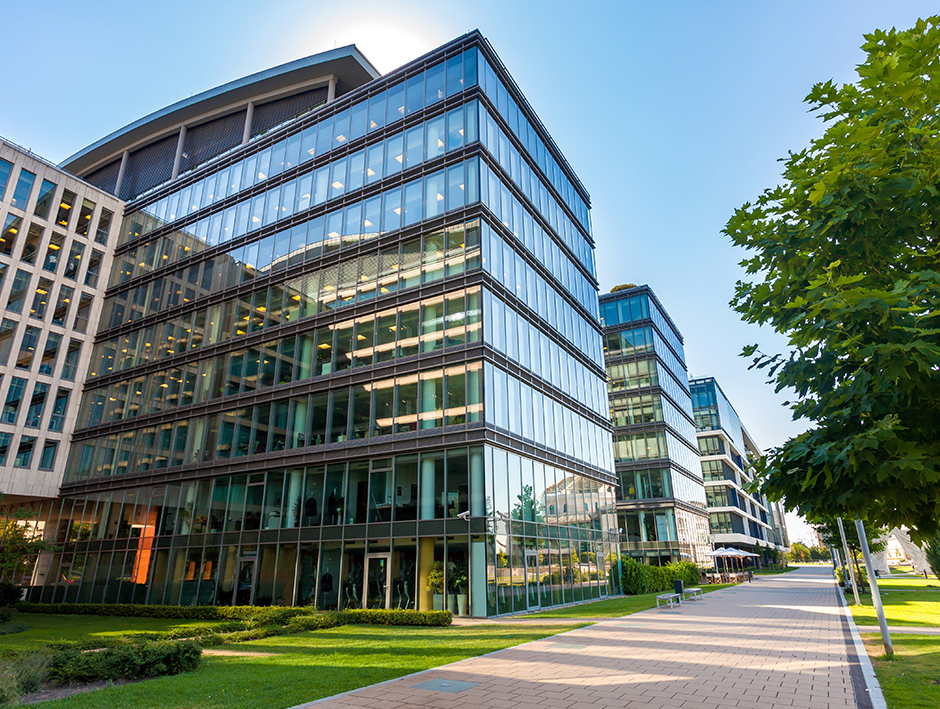
Energy-efficient buildings are more attractive to buyers and tenants because they cost less to operate. A recent study by a leading real estate firm found that 74% of decision-makers are willing to pay a premium for properties with green credentials—and more than half plan to do so by the end of this year. That means energy-efficient buildings aren’t just good for your bottom line, they’re becoming a business expectation.
Whether you own or lease, reducing energy usage increases your space’s value and marketability:
These aren’t just upgrades, they’re strategic reductions in energy consumption that pay off in multiple ways.
Energy efficiency isn’t just about cutting costs—it’s about creating consistency. When your business uses energy more efficiently, your monthly usage becomes more predictable, and that stability is reflected in your bills.
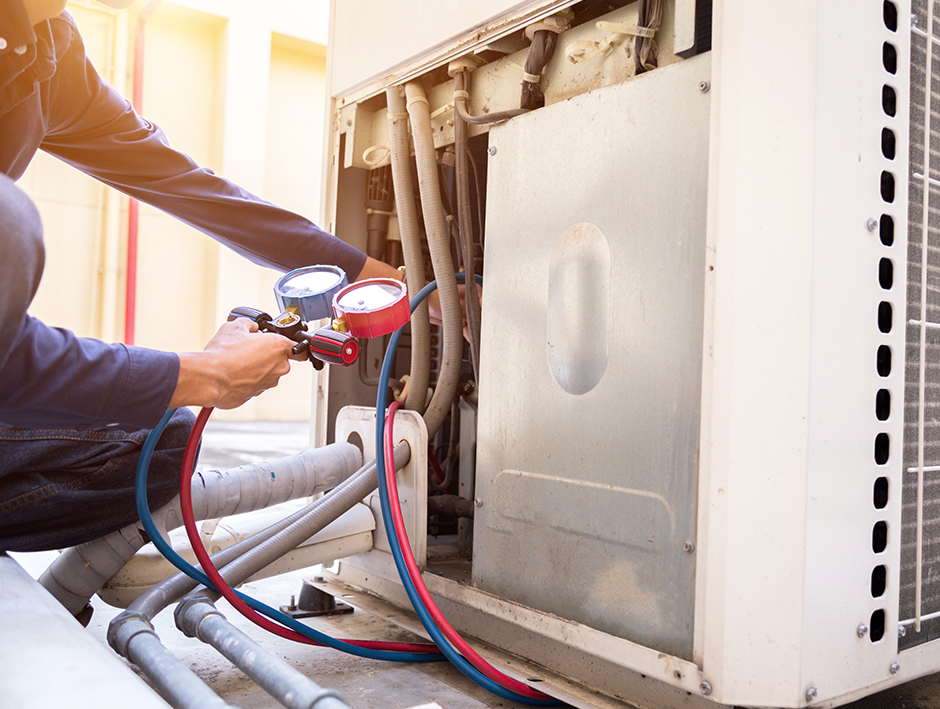
One of the biggest opportunities for improvement lies in your HVAC system. Properly operating heating, ventilation and air conditioning systems are essential for maintaining a comfortable, healthy indoor environment. According to the U.S. Department of Energy, organizations can save 5–20% annually on energy bills simply by following operations and maintenance best practices.
By investing in smart upgrades and routine maintenance, your business can reduce unnecessary energy use, extend equipment life and keep your energy consumption steady—no matter the season.
From state regulations to strain on the power grid, the pressure to reduce your energy usage is growing. Maryland’s programs make it easy to stay ahead of the curve—without the guesswork. Even if you’re unfamiliar with terms like “electrification,” program experts will walk you through every step.
Maryland’s energy efficiency programs help you reduce your footprint without the headache, offering clear guidance, technical support and financial incentives to make upgrades more accessible. Whether you're a small business or a large facility, you can meet evolving energy standards without disrupting operations or compromising comfort.

Energy usage can add up fast for businesses like Westminster-based Starry Night Bakery. With ovens, mixers and refrigeration running consistently throughout the week, electricity consumption added up quickly—but new energy-efficient lighting not only cut costs, it also enhanced the shop’s ambiance. The improvements boosted employee morale and productivity while significantly reducing energy consumption. Guided by their local utility, the bakery made smart upgrades that proved sustainability and savings can go hand in hand.
Reducing your business’s energy usage isn’t just a smart financial move, it’s a strategic advantage. By employing Maryland’s utility energy efficiency programs and implementing proven strategies, you can lower costs, boost performance and future-proof your operations. Whether you're upgrading lighting, optimizing HVAC systems, or seeking expert guidance, the tools and incentives are already in place to help. Thousands of businesses have already made the switch—now it’s your turn to stop overspending and start saving.

EmPOWER Maryland programs are funded by a charge on your energy bill. EmPOWER programs can help you reduce your energy consumption and save you money. Learn more about EmPOWER Maryland.
The EmPOWER Maryland charge funds programs that can help you reduce your energy consumption and greenhouse gas emissions and save you money. Since the inception of the EmPOWER Maryland program in 2008, the programs have saved $14.5 billion on installed measures at a cost of $4.1 billion. In addition to new program costs, this charge includes paying off the uncollected costs that were accrued over time by programs required by the EmPOWER statute and authorized by the Commission. In accordance with House Bill 864 the uncollected amounts will be fully paid by the end of 2032.